When the Russian invasion of Ukraine began, a new social crisis arose in Europe. The crisis that has arisen has multiple dimensions, of which I would like to set out here two of them that seem relevant to me. First of all, this is about people fleeing from war machines that threaten their own lives and the lives of their families, trying to take refuge in neighboring countries and other people stuck in Ukraine who have to fight for the price of their life in a political conflict that doesn’t really belong to them. Secondly, war is not only on the battlefield, but also in the minds of the people, because the way war threatens our emotional state and the stability of everyone’s life, especially those close to the conflict, is also an important part of the conflict crisis.
In this context, social workers from all over Europe and especially from the countries bordering Ukraine, including Romania, had to adapt to another kind of challenges at a time when the COVID-19 pandemic has not yet ended, providing support to the people of Ukraine to deal with the threats of war giving them the chance to meet their basic needs but also creating social services for their social integration in new socio-cultural spaces from outside of Ukraine. Because war means dehumanisation of human beings and forces us to reject our own emotions, social workers close to the conflict were indirectly part of this process having to let their stress, insecurities and concerns about the spread of the war and mass murders that take place near them on a second position and and prioritize the emergency situation of the millions of people directly affected by the conflict coming from Ukraine.
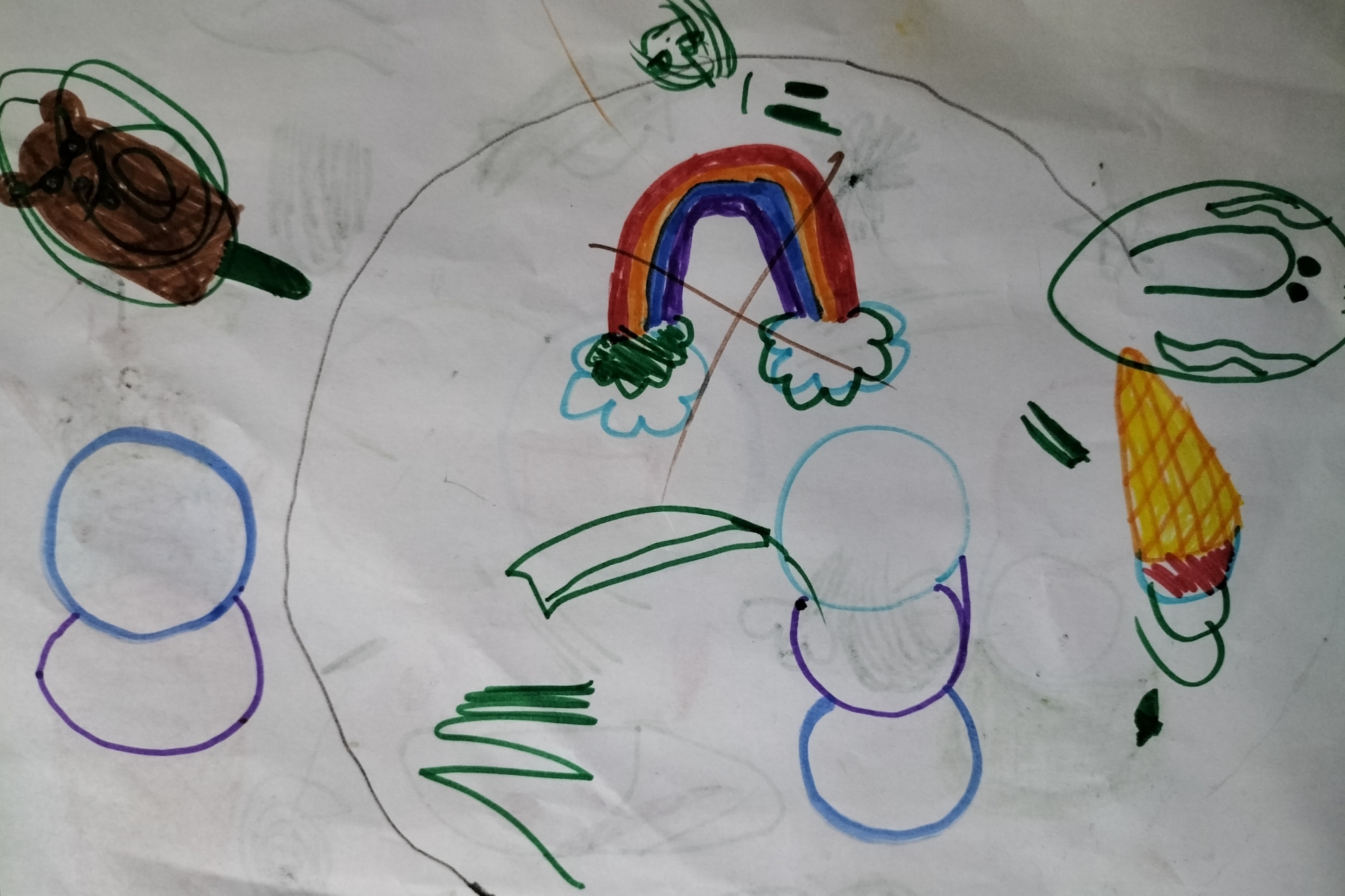
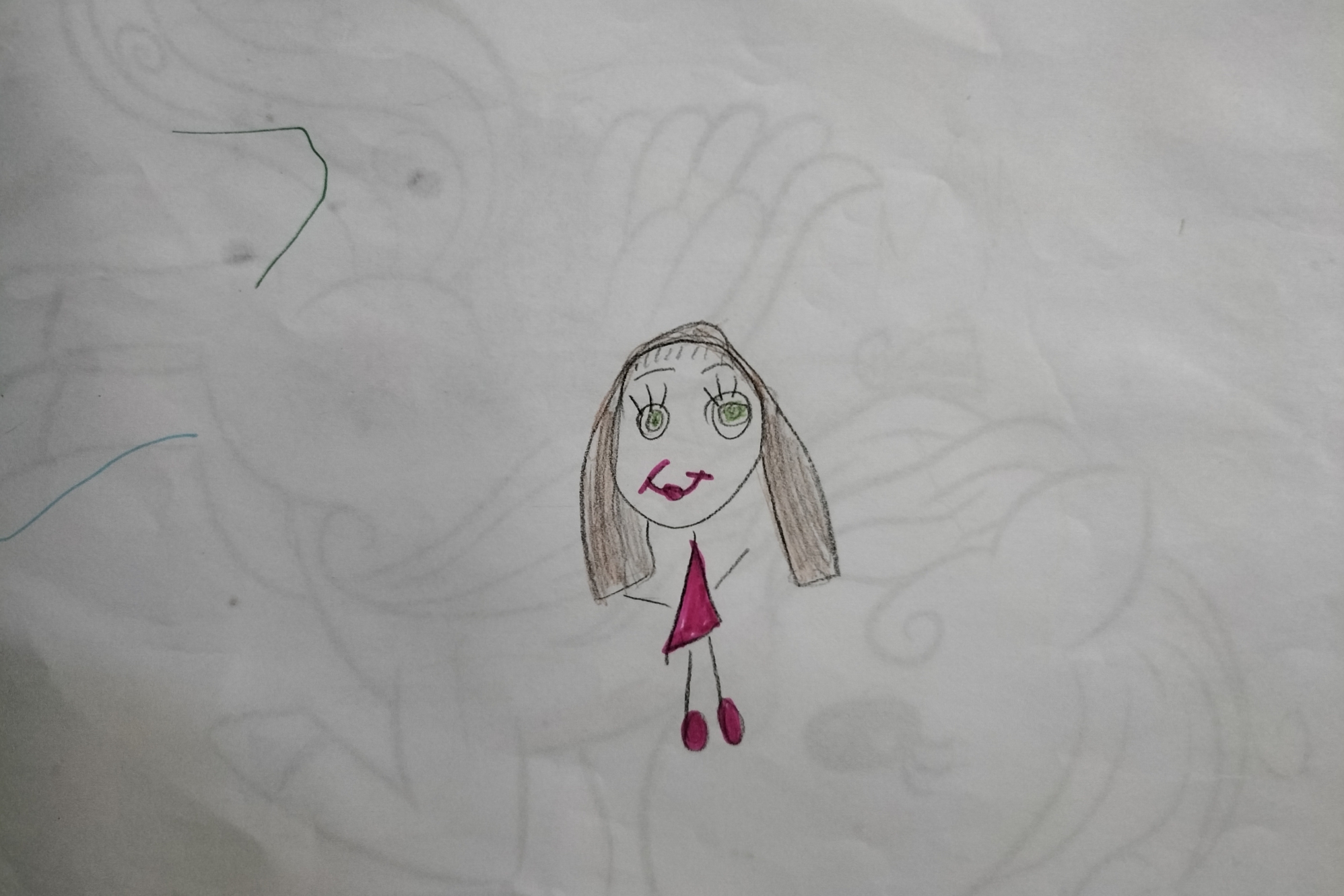
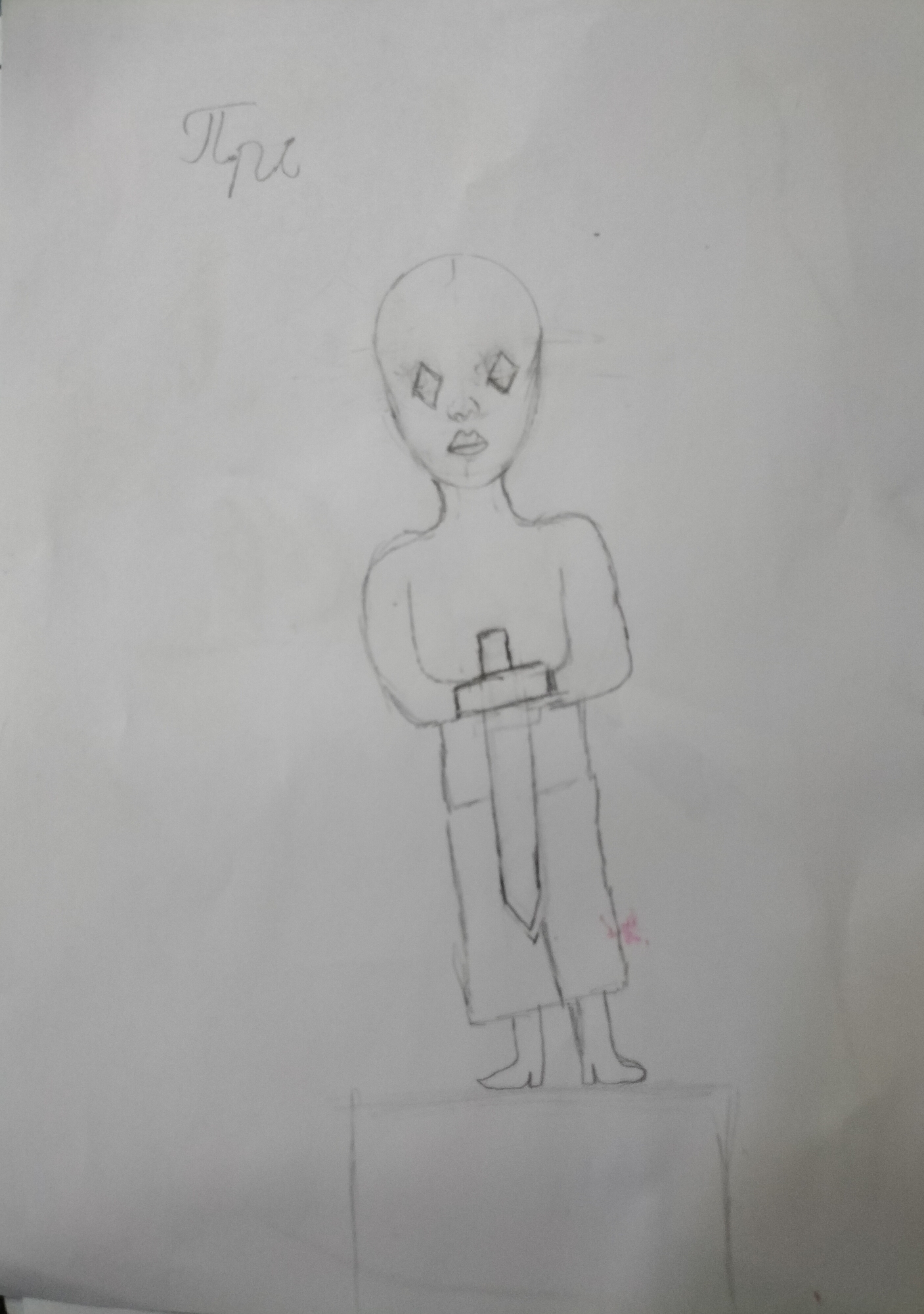
During this time I worked in a transit center in Bucharest for refugees from Ukraine where together with my coworkers we offered primary protection to Ukrainian families who have crossed the territory of Romania trying to build a safe temporary space for them where as many as possible of their needs are covered. According to statistics more than 600.000 people passed from Ukraine to Romania in March 2022. Working with Ukrainian families in the context of understanding difficulties caused by language barriers I observed that the Ukrainian children’s drawings have some aspects that can communicate consistent information about their perception of the situation of war and emotional state of them and their families and I think that it can serve as an assessment tool in social work practice.
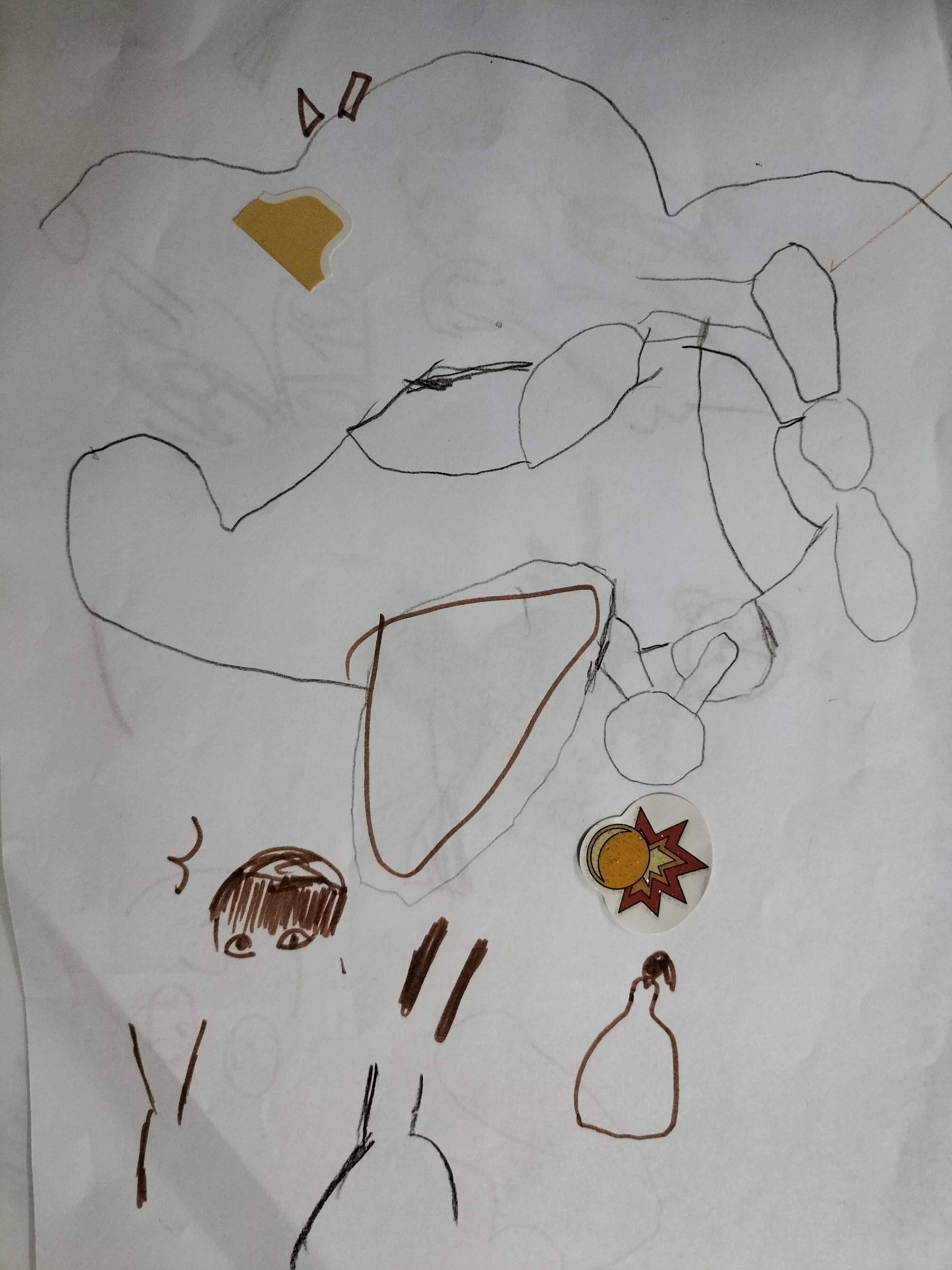
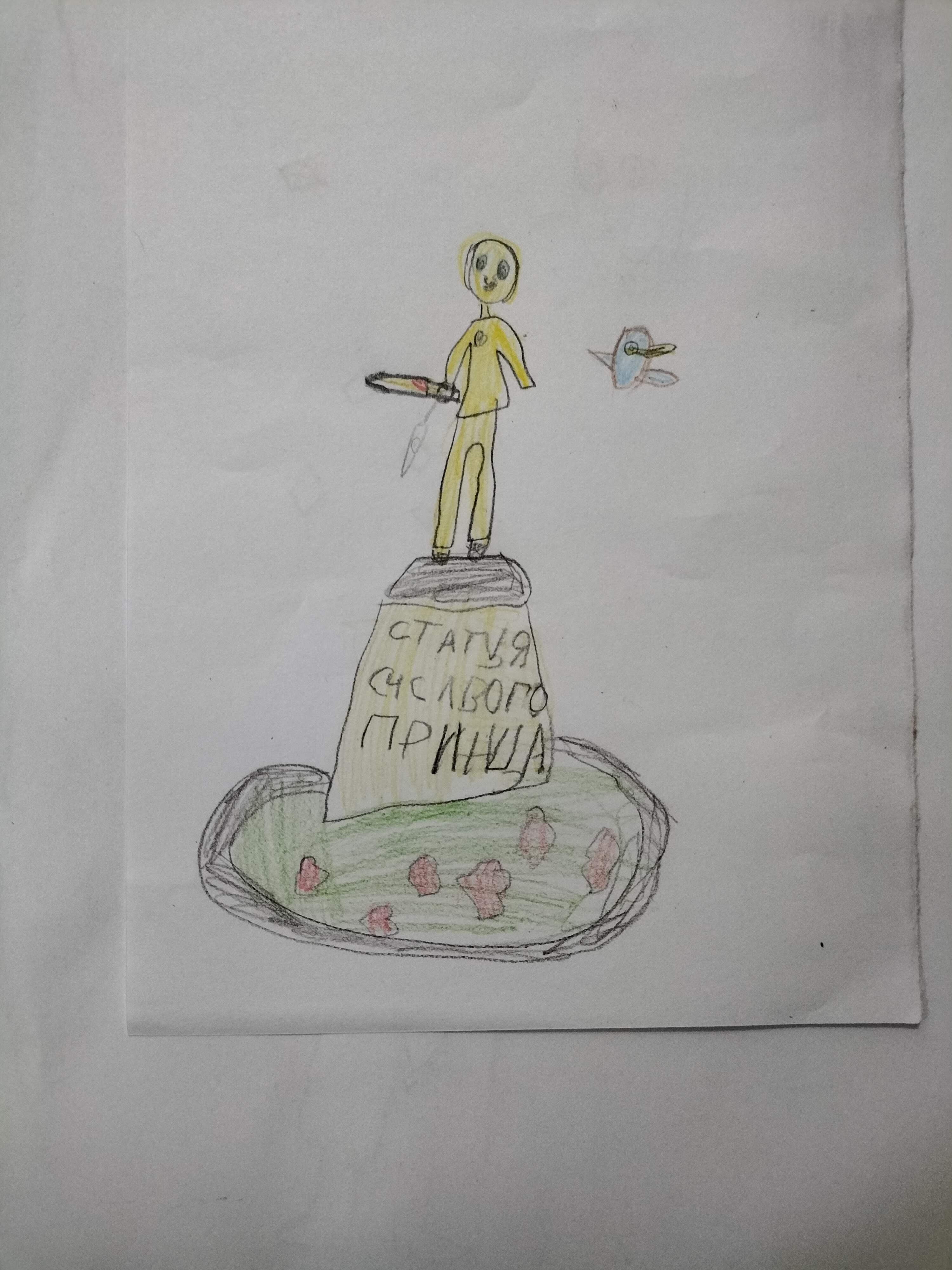
Img.1 Aircraft Bombing / Img.2 ”Statue of a happy prince”
Considering these ideas I started to follow Ukrainian children’s drawings and collect it to obtain information about the emotional needs of Ukrainian families and how I could approach their situation to improve their condition in the first stage of coming out from the conflict space. The children’s drawings helped me not only to understand them better but also to establish a trust relationship obtaining a greater openness to them than to me because from my point of view drawing sharing is emotions sharing.
The way home – separation from the space of safety


Chaotic hatching and anxiety


Body parts: the decomposition of the whole

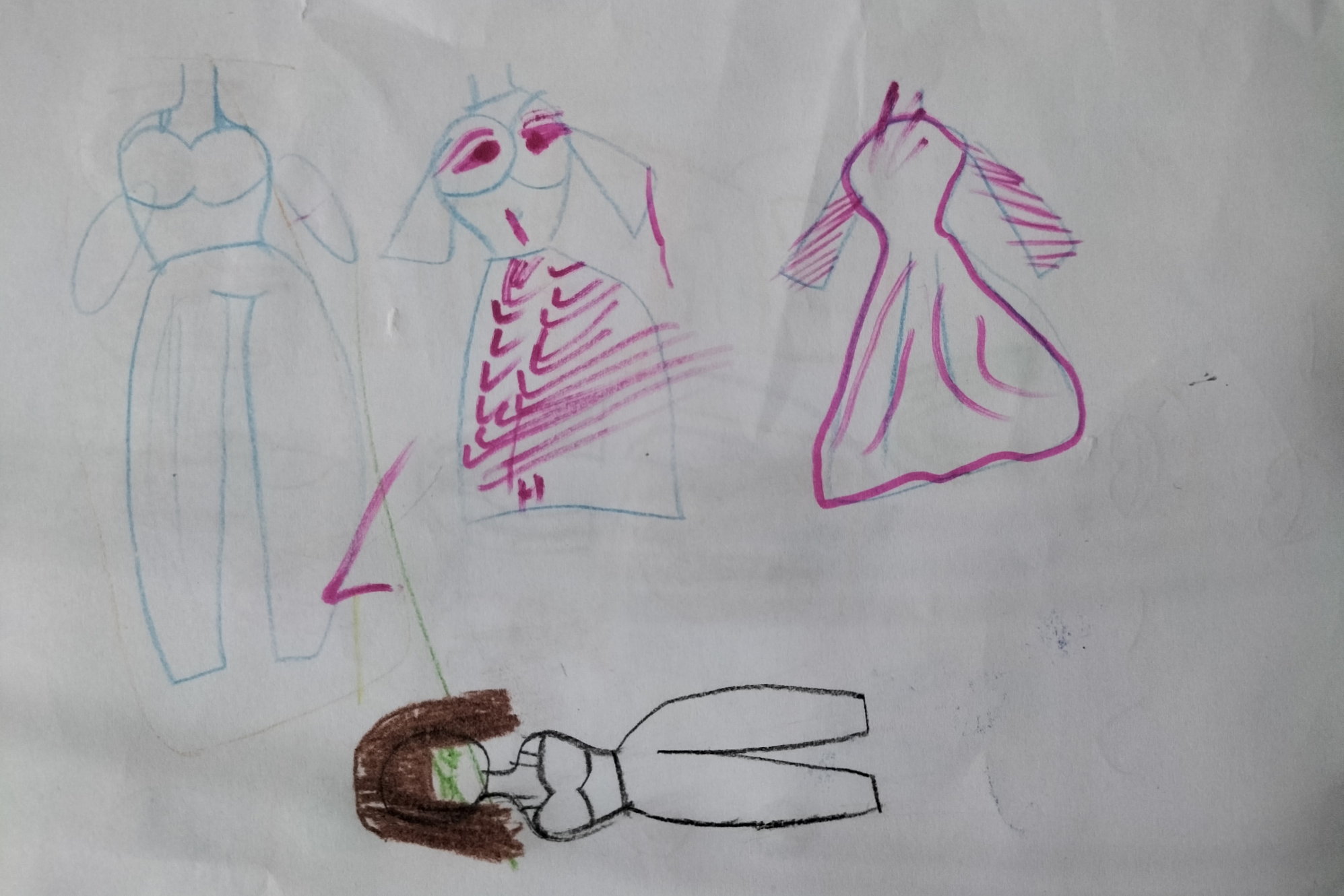

Agglomerations of elements and indecision
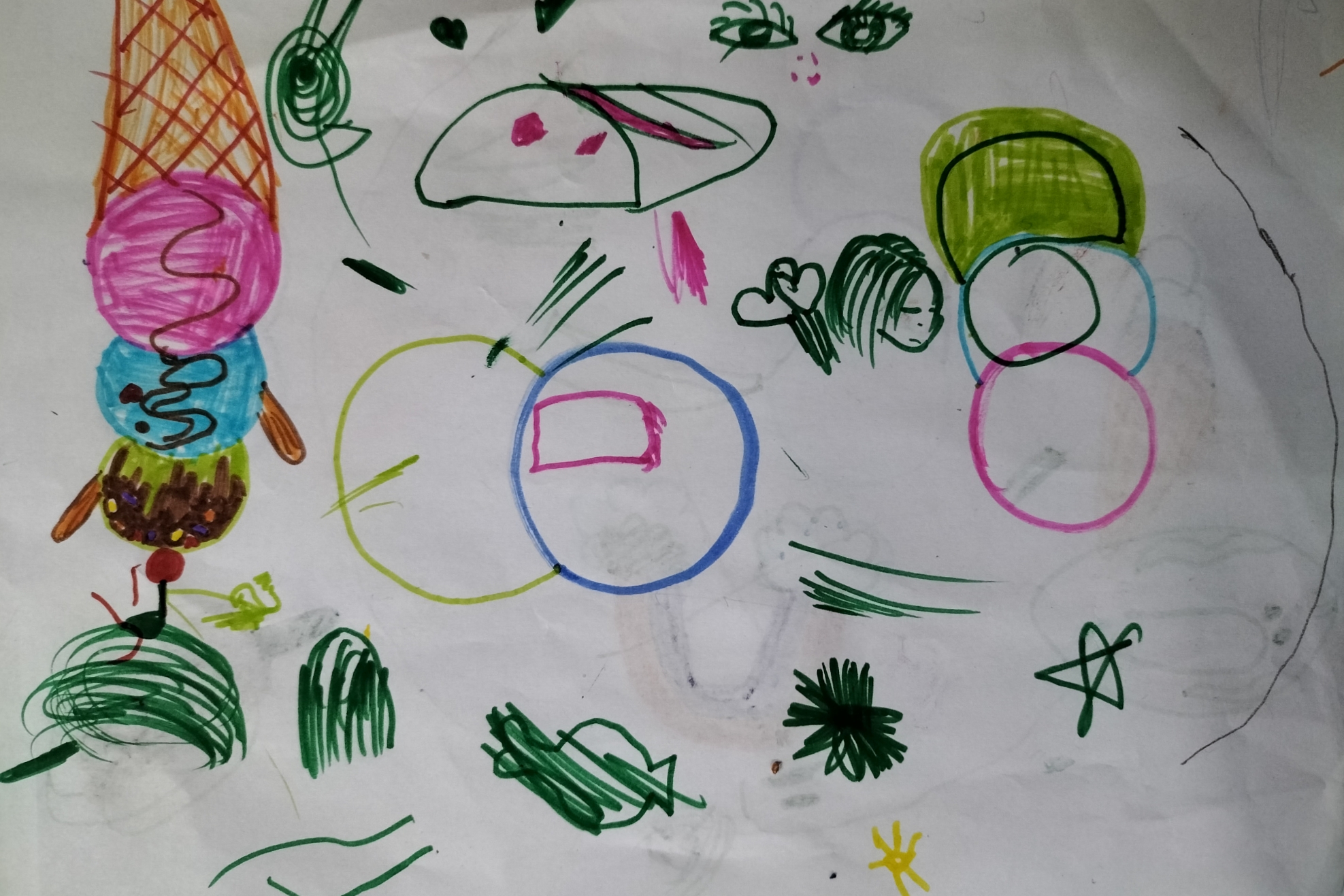

Singular elements – loneliness and emptiness

 Social Work Journal